Sticky Blood: A Spooky Font for Halloween and Horror Projects
If you're looking for a font that exudes fear, suspense, and an eerie atmosphere, Sticky Blood is the perfect choice. This display font is known for its dripping characters and unsettling visual style, making it ideal for Halloween, horror-themed projects, and any design that needs to send a chill down the spine. Whether you're creating a haunted house sign, a movie poster, or a themed website, Sticky Blood can help you achieve a truly creepy aesthetic.
Understanding Sticky Blood: What Makes It Unique?
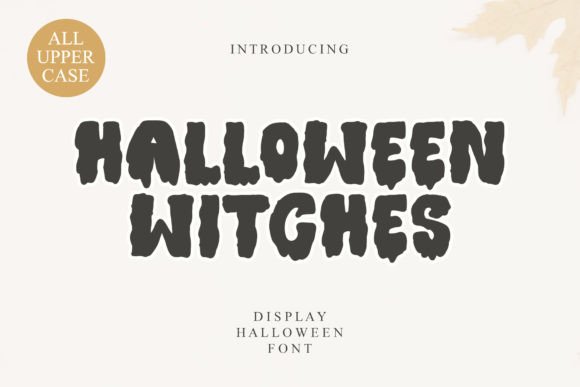
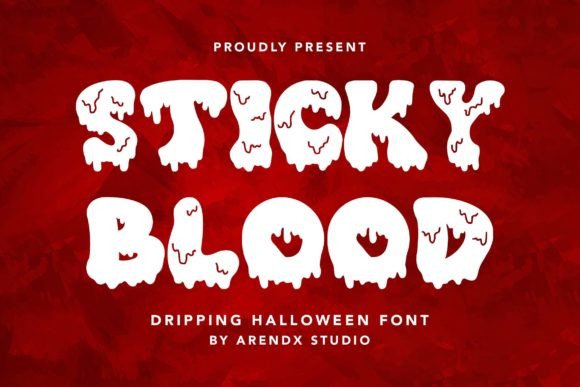
Sticky Blood is more than just a font—it's a visual experience. Its characters are designed with a blood-like texture, giving the impression that the letters are oozing or dripping. This effect adds a layer of realism and intensity that other fonts simply can't match. The font’s design is inspired by horror movies, gothic art, and the supernatural, making it a favorite among designers who want to convey a sense of dread or unease.
The font's name itself suggests its purpose: to create a sticky, messy, and unsettling look. Each letter has a slightly irregular shape, mimicking the way blood might spread or pool on a surface. This attention to detail makes Sticky Blood stand out in a sea of generic typefaces, especially when used in contexts where atmosphere is key.
Challenges and Goals for Designers Using Sticky Blood
While Sticky Blood is powerful, it's not always straightforward to use. One of the main challenges is ensuring that the font remains legible while still maintaining its spooky vibe. Because of its unique design, some letters may be harder to read, especially at smaller sizes. This means that users need to be mindful of how they incorporate the font into their work.
Another challenge is finding the right balance between creativity and practicality. Sticky Blood is best suited for display purposes rather than body text. It works well for headlines, titles, and logos but may not be ideal for long paragraphs. Designers must also consider the context in which the font is used—whether it's for print, digital media, or a specific project like a Halloween event or a horror film.
How Sticky Blood Can Help Achieve Your Design Goals
For those looking to create a strong visual impact, Sticky Blood offers a solution that's both effective and distinctive. Its unique style helps set the tone for any project that requires a dark, mysterious, or terrifying atmosphere. Whether you're designing a website for a haunted attraction, creating promotional materials for a horror movie, or crafting a logo for a gothic brand, Sticky Blood can help you make a statement.
Additionally, the font's versatility allows it to be used across different platforms and mediums. It can be integrated into graphic design software like Adobe Photoshop, Illustrator, or even web development tools. This flexibility makes it a valuable asset for designers who want to maintain a consistent aesthetic across multiple formats.
Practical Applications of Sticky Blood
One of the most common uses of Sticky Blood is in Halloween-related designs. From invitations to decorations, the font adds a touch of horror that can elevate any project. For example, a Halloween party invitation using Sticky Blood can immediately communicate the spooky nature of the event, making it more appealing to attendees.
Another popular application is in the creation of horror movie posters. The font's dramatic appearance can enhance the overall look of a poster, making it more eye-catching and memorable. It's also used in branding for horror-themed businesses, such as haunted houses, ghost tours, or horror-themed cafes, where the font helps reinforce the theme and attract the right audience.
Recommendations for Using Sticky Blood Effectively
To get the most out of Sticky Blood, consider the following tips:
- Use it for display purposes only. Avoid using it for large blocks of text, as readability may suffer.
- Pair it with complementary fonts. Combine Sticky Blood with a clean, modern font for body text to maintain balance and clarity.
- Experiment with color and background. The font looks best against dark backgrounds, as this enhances its dripping effect and creates a more immersive experience.
- Test it in different sizes. Ensure that the font remains visually effective at various sizes, especially if it will be used in print or digital formats.
Considering Different User Needs and Approaches
Users may approach Sticky Blood differently based on their specific goals and creative styles. For instance, a graphic designer working on a commercial project may prioritize readability and professionalism, while a hobbyist creating a personal Halloween decoration may focus more on the font's visual impact. Understanding these differences can help users tailor their use of Sticky Blood to suit their needs.
Some users may also choose to modify the font through design software, adjusting its size, color, or spacing to better fit their project. Others may prefer to use it as-is, relying on its natural design to convey the desired mood. Regardless of the approach, the key is to use Sticky Blood in a way that enhances the overall message or aesthetic of the design.
Conclusion: Embrace the Eerie with Sticky Blood
Sticky Blood is more than just a font—it's a tool for creating an unforgettable visual experience. With its dripping characters and spooky vibe, it brings a sense of horror and suspense to any project that needs it. Whether you're designing for Halloween, horror films, or gothic themes, Sticky Blood can help you achieve the perfect atmosphere. By understanding its strengths and limitations, you can use it effectively to meet your design goals and create something truly memorable.