Laughing Kids: A Playful Font for Creative Expression
When it comes to typography, the right font can make all the difference in conveying a message. For those looking to add a sense of joy and whimsy to their designs, Laughing Kids stands out as a unique and appealing choice. This display font is not just visually engaging—it’s also highly functional for a variety of creative projects.
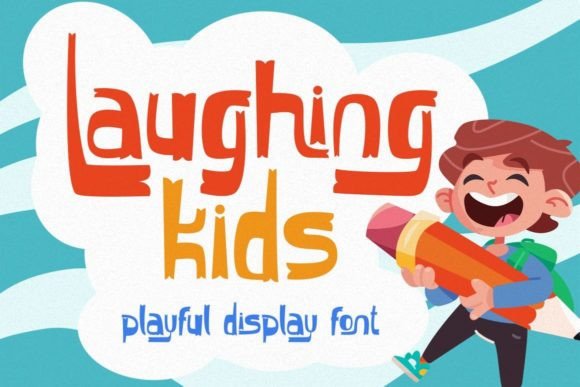
Designed with a cheerful and playful aesthetic, Laughing Kids is ideal for anyone working on content that aims to evoke positivity. Its rounded shapes and lively character set it apart from more traditional typefaces, making it a go-to option for designers who want to infuse their work with a sense of fun and approachability.
What Makes Laughing Kids Unique?
Laughing Kids is more than just a font—it’s a tool that can transform the tone of any project. One of its standout features is its PUA (Private Use Area) encoding. This means users have easy access to all the glyphs and ligatures without needing special software or complex workflows. For designers, this translates to greater flexibility and control over their typographic choices.
The font’s design is inspired by the energy and spontaneity of children’s laughter. Each letterform is crafted to feel light and dynamic, with subtle variations that give the typeface a handcrafted, organic feel. This makes it particularly well-suited for projects that aim to connect with younger audiences or evoke a sense of nostalgia.
Where Can You Use Laughing Kids?
While Laughing Kids may seem like a font best suited for children’s themes, its versatility extends beyond that. It works well in a range of contexts where a friendly and upbeat tone is desired. Here are some common applications:
- Children’s books and educational materials: The font adds a lively touch to storybooks, flashcards, and learning resources.
- Marketing and branding: Businesses targeting families or child-related products can use it to create eye-catching logos and promotional materials.
- Event invitations and announcements: From birthday parties to school events, Laughing Kids brings a playful vibe to any invitation.
- Graphic design projects: Illustrators, artists, and designers often use it to add a whimsical element to posters, banners, and social media graphics.
Its compatibility with bright colors further enhances its appeal, allowing for vibrant and engaging visual compositions.
Who Benefits from Using Laughing Kids?
Whether you’re a professional designer, a small business owner, or an independent creator, Laughing Kids offers value across different industries. For example:
- Parents and educators: Teachers and parents can use the font to create personalized learning materials or classroom decorations that capture children’s attention.
- Entrepreneurs: Business owners looking to build a brand with a warm, approachable image may find the font useful for packaging, signage, and digital marketing.
- Freelancers and artists: Those in the creative field can incorporate Laughing Kids into their portfolio to showcase a diverse range of typographic styles.
Its ease of use and aesthetic appeal make it accessible even to those with limited design experience.
Strengths and Considerations
One of the greatest strengths of Laughing Kids is its ability to convey emotion through typography. Unlike more rigid or formal fonts, it allows for a more expressive and dynamic visual language. This makes it especially effective in projects where storytelling or emotional connection is key.
However, it’s important to consider the context in which the font is used. While it excels in casual and creative settings, it may not be the best choice for formal documents, legal texts, or professional presentations. In such cases, a more traditional typeface would be more appropriate.
Another consideration is readability. While Laughing Kids is designed to be legible, its playful style may not be ideal for long blocks of text. It works best when used strategically—such as in headings, titles, or short phrases—rather than as the primary body text.
Real-World Applications
Let’s explore a few real-world scenarios where Laughing Kids has been successfully implemented:
- Children’s book covers: Publishers often use the font to create cover designs that immediately communicate the book’s theme and audience.
- Playground signage: Parks and recreational areas may use the font to make signs more engaging and inviting for young visitors.
- Brand mascots and characters: Companies that feature animated characters in their branding can use Laughing Kids to maintain a consistent and playful tone.
In each case, the font helps reinforce the overall message and aesthetic of the project.
How to Evaluate Suitability
If you’re considering using Laughing Kids, it’s helpful to ask a few key questions:
- Does the font align with the project’s tone and purpose? If your goal is to create something lighthearted or child-friendly, then Laughing Kids is likely a good fit.
- Will it enhance the visual appeal? Test the font in different color schemes and layouts to see how it performs in various contexts.
- Is it suitable for the intended audience? Consider whether the font’s style will resonate with the people who will see it.
By taking these factors into account, you can determine whether Laughing Kids is the right choice for your specific needs.
Final Thoughts
Laughing Kids is more than just a font—it’s a creative asset that can bring a sense of joy and personality to your work. Whether you’re designing for children, building a brand, or simply looking for a fun way to express yourself, this font offers a unique and effective solution. With its PUA encoding, playful design, and broad range of applications, it’s a valuable addition to any designer’s toolkit.
As with any typographic choice, the key is to use Laughing Kids thoughtfully and appropriately. When used correctly, it can elevate your projects and help you connect with your audience in a meaningful way.